ジョン・ポーリーン博士の黙示録講義 新たな光(第二巻)⑪
今日はいよいよ具体的に第一のラッパからの解説になります。学んだことをサマリーしたいと思います。
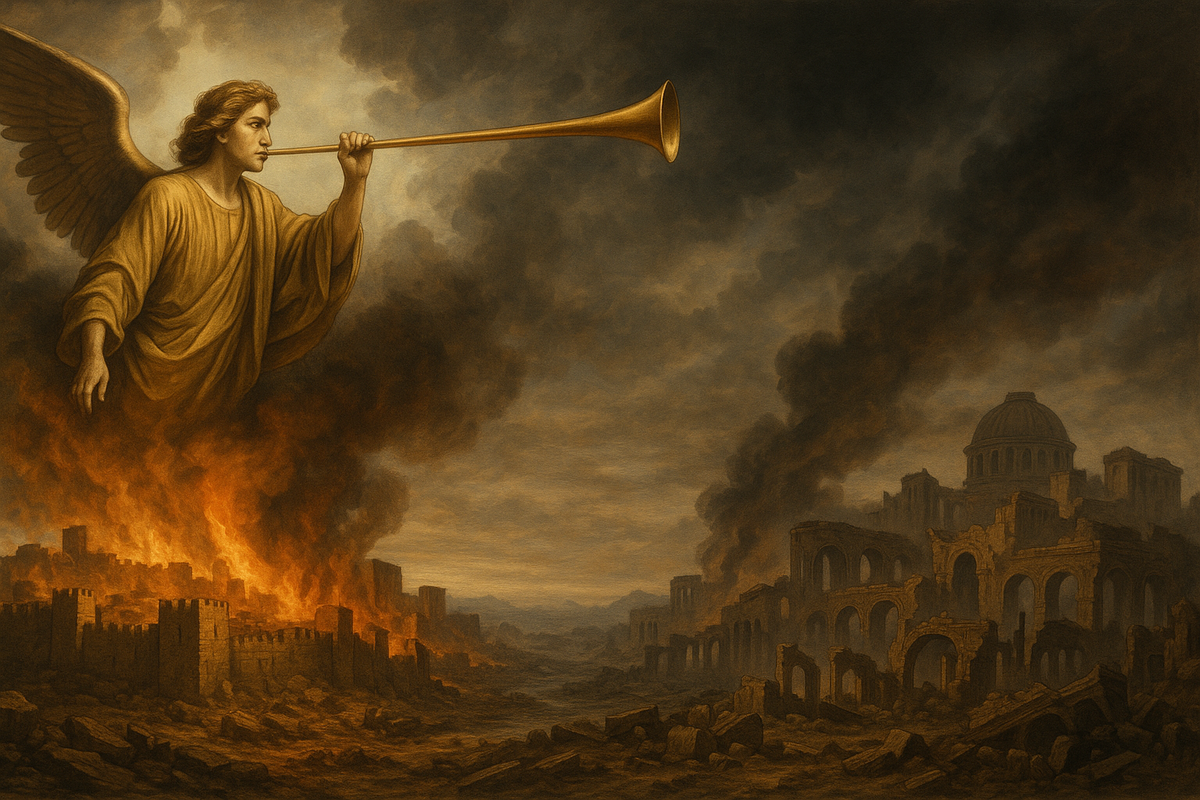
第1のラッパとその意義
・第1のラッパが吹かれると、血の混じった火が地に投げ込まれ、地の3分の1が焼け、木々と青草も焼ける災害が起こる
・この出来事は、旧約聖書に記されたエジプトへの災い、特に第7の災い(雹を降らせる(9:13-35))と関連している
・神の民に敵対する者への神の裁きを示す一方で、その裁きが神の民(木々と青草に象徴される)にも及ぶことが示唆されており、悔い改めが求められている
・紀元70年、ローマ帝国によるエルサレム滅亡がこの第1のラッパの象徴する歴史的出来事とされ、預言の成就として重みを持っている
第2のラッパとその象徴
・第2のラッパが吹かれると、火の燃える大きな山のようなものが海に投げ込まれ、海の3分の1が血に変わり、海の生物の3分の1が死に、船の3分の1も破壊される
・この災いは、旧約聖書エレミヤ書51章に記されたバビロンへの裁きを想起させる象徴とされる
・ローマ帝国の崩壊がこの第2のラッパに対応し、黙示録18章に描かれるバビロンの滅亡の第一の成就として読み取られている
・神の民を迫害してきた権力が神の裁きを受けるという主題が強調され、神の計画がどのように実現していくのかが示されている
まとめと今後の展開
・第1と第2のラッパは、神の裁きがどのような順序と形で行われるのかを示しており、まず神の民への裁き、その後その民を迫害した権力への裁きという、聖書に一貫するパターンに一致している
・これら2つのラッパは、イエス・キリストを殺害した2つの権力(堕落したユダヤの宗教指導者と、ピラトのもとにあるローマの権力)への神の裁きを象徴している
・これらの出来事は、過去の歴史と現在の状況とを結びつけ、神の正義がどのように地上で実現されるのかを明らかにしている
The First Trumpet and Its Significance
-
When the first trumpet is sounded, fire mixed with blood is thrown down to the earth, burning up one-third of the land, the trees, and all the green grass.
-
This event is linked to the plagues on Egypt described in the Old Testament, especially the seventh plague (hail, Exodus 9:13–35).
-
While this judgment demonstrates God's punishment on those who oppose His people, it also implies that His judgment extends to His own people, symbolized by the trees and grass, calling them to repentance.
-
The destruction of Jerusalem by the Roman Empire in AD 70 is regarded as the historical event represented by the first trumpet, emphasizing its fulfillment as a prophecy.
The Second Trumpet and Its Symbolism
-
When the second trumpet is sounded, something like a great mountain burning with fire is thrown into the sea. As a result, one-third of the sea becomes blood, one-third of the sea creatures die, and one-third of the ships are destroyed.
-
This disaster is seen as symbolic of God's judgment on Babylon, as described in Jeremiah chapter 51.
-
The fall of the Roman Empire corresponds to the second trumpet and is interpreted as the first fulfillment of the fall of Babylon depicted in Revelation chapter 18.
-
The theme that powers and nations persecuting God's people are judged by God is emphasized, showing how God's plan is carried out.
Summary and Future Developments
-
The first and second trumpets illustrate the sequence and manner of God's judgment: first upon His own people, then upon the powers that persecuted them—following a consistent biblical pattern.
-
These two trumpets symbolize God's judgment on the two powers responsible for the death of Jesus Christ: the corrupt Jewish religious leaders and the Roman authority under Pilate.
-
These events connect past history with the present context, revealing how God's justice is ultimately realized on earth.
ジョン・ポーリーン博士の黙示録講義 新たな光(第二巻)⑩
少し間が空いてしまいましたが、今日も7つのラッパの続きからになります。新たに学んだことをまとめていきたいと思います。
■7つのラッパは悪人たちを対象とする神の祈りへの応答
・7つのラッパは、黙示録6:9-11にあった「いつまで裁きを行わず、報復をなさらないのですか」という殉教者の祈りに神が執り成しとして応答した結果である。
・ラッパの間に、黙示録8:13に出てくる「不幸だ、不幸だ、不幸だ、地に住む者たち」の中の「地に住む者たち」というのは神の民でなく、地上の悪人のことを指すため、この成句からも7つのラッパが悪人に対する神の報復であることがサポートされる。
・下記の表のように悪人への裁きである7つの鉢が7つのラッパと互いにほぼ並列していることからも、7つのラッパも悪人へ影響を及ぼすことがわかる。また後述の7日間の創造の御業にも対応している。
|
第1 ラッパ・鉢・創造 |
第2 ラッパ・鉢・創造 |
第3 ラッパ・鉢・創造 |
第4 ラッパ・鉢・創造 |
第5 ラッパ・鉢・創造 |
第6 ラッパ・鉢・創造 |
|
地上 |
海 |
川と水源 |
太陽・月・星 |
飛ぶもの 蠢くもの |
ユーフラテス川 (人間や馬など) |
■7つのラッパは封印とは異なり、歴史的に年代的に順次起こる出来事である
・「42か月の間」「3日半の間」などの期間の記述がある。
・黙示録11:14 「第二の災いが過ぎった。見よ、第三の災いが速やかにやってくる」など災いが連続的に起こっており、次々とラッパが吹かれている記述があるため。
■7つのラッパの旧約聖書の背景
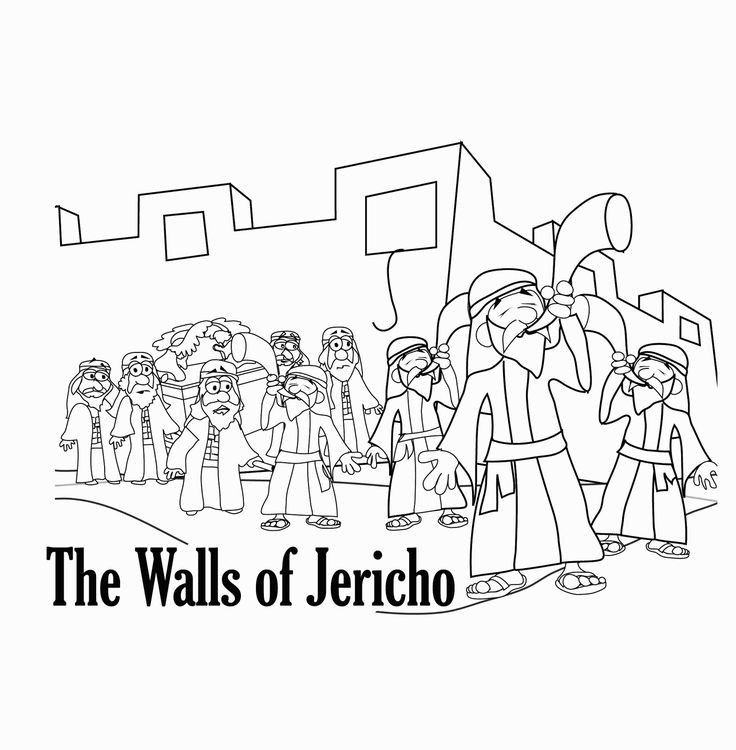
・エリコの陥落:イスラエルが町の周りを7日間進行した。1~6日目は1回だけ周ったが、7日目だけ7回周って行進した。この構造が7つのラッパと7つの鉢の構造との共通点。
・ユダヤのラッパの祭り:連続する新月の祭りの第七番目の祭りで、ラッパはこれら7か月間毎月吹かれていた。
・ヨベルの年:ユダヤ歴において7年単位の年月が7回繰り返された頂点となる年。この年には奴隷は解放され、借金が帳消しにされ、人々が家族のもとに帰った。このときラッパが吹奏された。
・出エジプトにおける災いの出来事:10の災いが順次起こった。
・創造週:創造も連続的な7日間の出来事で、最後の第7日目に創造の頂点としての安息日がある。この時は創造に向かっていったが、ラッパの場合、神はその創造の御業を1つ1つ逆に帳消しにし、取り壊しておられるという概念がある。このことによって、新しい創造に備えておられる。
・バビロンの崩壊の出来事:第6のラッパに暗示されている。
■世の歴史家には見えない歴史上の神の御手
7つのラッパは一般の歴史を超えた観点からの出来事だといえる(十字架から再臨までの出来事を宇宙的視野に立っての見方といえる)。例として、出エジプト記の災いや十字架の出来事について、歴史家は「神のみ手が働いた」ことは期さないが、それらの事実はすべて聖書には記されている(神ご自身がそれらの記録を残しておられる)。
It's been a while, but today we're going to continue with the 7 Trumpets. I'd like to summarize what I learned.
■The 7 Trumpets are a Response to God's Prayer for evil people
・The 7 Trumpets are the result of God's intercession response to the martyr's prayer in Revelation 6:9-11, "How long will you not judge and retaliate?"
・During the Trumpets, the phrase "Woe! Woe! Woe to the inhabitants of the earth" in Revelation 8:13 refers not to God's people but to evil people on earth, so this phrase supports that the 7 Trumpets are God's retribution against evil people.
・The following table shows that the 7 Trumpets also have an effect on evil people, as shown by the fact that the 7 Trumpets are almost in parallel with the 7 cups. They also correspond to the 7 days of creation.
|
1st Trumpet/Cup/Creation |
2nd |
Third |
Fourth |
Fifth |
Sixth |
|
Land |
Ocean |
River |
Sun/Moon/Star |
Something that flies Something that wriggles |
Euphrates (humans, horses, etc.) |
■Unlike seals, the seven trumpets are events that occur chronologically.
・There are descriptions of periods such as “42 months” “three and a half days”.
・In Revelation 11:14 "The second disaster has passed. Behold, the third plague comes swiftly," there are descriptions of disasters occurring continuously and trumpets being blown one after another.
■Old Testament Background of the 7 Trumpets
・Fall of Jericho: Israel marched around the city for seven days. On days 1 through 6, it went around only once, but on the seventh day it went around seven times. This structure is what the seven trumpets and seven cups have in common.
・Jewish Feast of Trumpets: The seventh of a series of New Moon festivals, during which trumpets were blown every month for these seven months.
・Year of Jubilee: The pinnacle of seven successive years in Jewish history. In this year, slaves were freed, debts were written off, and people returned to their families. At this time, trumpets were blown.
・Evil event in Exodus: 10 plagues occurred one after another.
・Creation Week: Creation is also a continuous 7 day event, with the Sabbath day as the culmination of creation on the seventh and final day. This time was toward creation, but in the case of trumpets, there is a concept that God is reversing and dismantling the works of creation one by one. This prepares God for a new creation.
・Event of the fall of Babylon: implied by the sixth trumpet.
■The Hand of God in History Invisible to Ordinary Historians
It can be said that the 7 trumpets represent events from a perspective that goes beyond general history (it can be said that the events from the cross to the second coming are viewed from a cosmic perspective). As an example, historians do not expect that "the hand of God worked" in the events of Exodus and the Cross, but they are all recorded in the Bible (God himself has recorded them).
ジョン・ポーリーン博士の黙示録講義 新たな光(第二巻)⑨
今日は7つのラッパの続きからになります。前回は7つのラッパは執り成しが背景になっていることを知りました。もう少し頑張って深く学習していきたいと思います。
■黙示録8:5の意味について
御使はその香炉をとり、これに祭壇の火を満たして、地に投げつけた。すると、多くの雷鳴と、もろもろの声と、いなずまと、地震とが起った。
黙示録8:5
突然光景が変化している。何が起こったのか?2つの可能性がある。
- ユダヤの神殿の儀式の最後に、祭司が香炉を地上に投げつけたとき、それは儀式終了のセレモニーであった。
- エゼキエル10章の記述の意味。額に神の印がない人を滅ぼす命令が出てそれを天使が行う恐ろしいシーン。イスラエルの民が恵みの外に置かれ、バビロン捕囚確定となり、恩恵期間が終了した。
→以上のことを総括すると、黙示録8:5はキリストの執り成しとその終結を説明しているという結論となる。
■ではラッパは一体いつ吹き始められるのか?
以下の可能性がある。
- 7つのラッパはまだ吹かれていない。なぜならまだイエスの執り成し(恩恵期間)は終了していないから。ラッパは未来に吹かれるという説。
- 黙示録8:3-5をこれから起こることの序言(演劇の舞台などで使う背景幕)として述べている、という見解。※演劇で演じられるすべての場面は舞台の後ろに吊るされている背景幕に関連している。この見解を取ると、ラッパの開始時期はイエスのとりなしが始まった十字架の出来事の時期にまで遡ることができる。
どちらが正しいか?→ヨハネの作文上の手法を分析する必要がある。
例1)黙示録1章の序文:そのあとに続く2章、3章のすべての事柄は1章の背景幕のもとで行われている。
例2) 黙示録5章の土台、主題は絶えることなく6章でも継続的に存続していることになる。
→以上から、黙示録8:5の序文の背景は確かにラッパに先立って描写されているが、キリストの執り成しの働きと、香炉を地上へ投げつける裁きは共に7つのラッパ全体の背景幕となっている、と言うことができる。
■それでは、7つのラッパそれぞれに執り成しと裁きの意味があるのか?それら2つの要素は各ラッパの意味にどう関連しているのか?
→これを考えるにあたって、地上に投げつけられるのは香炉でなく、「火」であることに注目する。
→「火」はエゼキエル10章の2節と同様、民への「裁き」の背景として火(炭火)がちりばめられている。
〇7つのラッパを確認すると、ほぼすべてのラッパに「火」に関連した表現(煙なども含め)が出てくる。ということは、執り成しの結果とその裁きが共に各7つのラッパの主題であるということが言える。
〇恵みの期間終結は7つのラッパが吹かれるとき。(前回学んだように、黙示録10:6-7 で自明である。)
※3天使のメッセージは第6のラッパが吹かれているときに宣告される。
〇以上のことから、7つのラッパは7つの封印同様、十字架から再臨までの出来事である、といえる。
Today we're going to continue with the seven trumpets. Last time we learned that the seven trumpets are based on intercession. We're going to work a little harder and learn more.
■About the meaning of Revelation 8:5
The angel took the incense burner, filled it with the fire of the altar, and threw it to the ground. Then there were many thunders, many voices, lightning, and earthquakes.
Revelation 8:5
Suddenly the scene is changing. What happened? There are 2 possibilities.
① At the end of the Jewish temple ritual, when the priest threw the incense burner on the ground, it was a ceremony to end the ritual.
② Meaning of the description in Ezekiel 10. Horrible scene in which an angel did the command to destroy a person without the seal of God on his forehead. The people of Israel were placed out of grace, the Babylonian captivity was confirmed, and the grace period ended.
->We can conclude that Revelation 8:5 describes the intercession of Christ and its end.
■So when does the trumpet begin to blow?
Here are the possibilities:
① The seven trumpets have not yet been blown,. because Jesus' intercession has not yet ended. The trumpets will be blown in the future.
② The view that says Revelation 8:3-5 as a prelude to what is to come (a background curtain used on the stage of a play). * All scenes performed in a play are related to the background curtain hanging behind the stage. Taking this view, the beginning of the trumpet can be traced back to the time of the crucifixion, when Jesus' intercession began.
Which is correct? → We need to analyze John's method of writing.
Example 1) Preface of Revelation 1: Everything that follows in chapters 2 and 3 takes place under the background curtain of chapter 1.
Example 2) The foundation and theme of Revelation 5 is continuous in chapter 6.
->From the above, it can be said that although the background of the preface of Revelation 8:5 is certainly described before the trumpet, the intercession of Christ and the judgment of casting the incense burner on the earth are both background curtains for the entire seven trumpets.
■Does each of the seven trumpets have a meaning of intercession and judgment? How do these two elements relate to the meaning of each trumpet?
->In considering this, we note that it is not the incense burner that is cast on the earth, but fire.
->As in verse 2 of Ezekiel 10, fire (charcoal) is sprinkled as the background of judgment on the people.
When we check the seven trumpets, we find expressions related to fire (including smoke) in almost all of them. This means that both the result of intercession and its judgment are the subjects of each of the seven trumpets.
The end of the grace period is when the seven trumpets are blown. (As we learned last time, it is obvious in Revelation 10:6-7.)
*The 3 angel's messages are pronounced when the sixth trumpet is blown.
From the above, it can be said that the seven trumpets, like the seven seals, are events from the cross to the second coming.
ジョン・ポーリーン博士の黙示録講義 新たな光(第二巻)⑧
今日は7つのラッパの続きからになります。学んだことをまとめます。
■旧約聖書におけるラッパの用途
多くは礼拝の時に吹かれている。あとは戦いのとき(それでもラッパは祭司が吹く)、警告、王の就任式など
→ラッパを吹くことは礼拝に関連しているといえる。イスラエルにとって、ラッパとは祈りの象徴といえる。
ラッパが吹かれる時に神が応答なさり、神の民が救い出されるということを示している。
■新約聖書におけるラッパの用途
7つのラッパ以外の7回は神の顕現(へブル12章はシナイ山での神の顕現、マタイ24章、コリント1 15章ではイエスの再臨、聖書には記載がないが、おそらく十字架の死の時もイスラエルの民によってラッパが吹かれた)に関して用いられている。
→新約になりラッパの意義が追加された。したがって黙示録の7つのラッパの意義は祈りと神の顕現という2つの要素で解されるべきだとのこと。
■7つのラッパにみられる福音
神の民を迫害するものたちに対して行動しておられる神を描いているため、迫害されているものに慰めを与えるもの。また逆に、7つのラッパは人間が神の恵みの外に置かれる結果どのようになるかについて、最も恐ろしい言葉で描かれている。
■7つのラッパの背景となっているシーン
それからわたしは、神のみまえに立っている七人の御使を見た。そして、七つのラッパが彼らに与えられた。また、別の御使が出てきて、金の香炉を手に持って祭壇の前に立った。たくさんの香が彼に与えられていたが、これは、すべての聖徒の祈に加えて、御座の前の金の祭壇の上にささげるためのものであった。 香の煙は、御使の手から、聖徒たちの祈と共に神のみまえに立ちのぼった。
黙示録6:2-4
→これは神殿における日ごとの捧げ物の儀式シーンである。最初に出てくる「祭壇」は第5の封印で殉教者のいのちがその下にいる「祭壇」のこと。それは外庭にある燔祭をささげるための祭壇である。そしてそこで天使は香を受け取り、神殿内部の「金の祭壇」に香をささげる、という手順を表している
→この儀式の意義は執り成しを示す。燔祭としてのイエスの十字架と十字架から立ち上る香が示されている。したがって、イエスの働きはこの段階から次の段階(十字架→執り成し)へと進んでいることになる。焼き尽くす生贄の煙が絶えず立ち上り宿営の上を包んでいるように、キリストの義が民の避け所として民を覆う。これが7つのラッパの開始の前に描かれている象徴ということになる。
※今日の箇所を読んで、イエス様は幕屋で行われている役割を、神の子羊として、また天の幕屋の大祭司としてその役割を続けられていることが改めてわかりました。その日々の執り成しの儀式がこの7つのラッパの背景であったとは本当に驚くばかりです!しかし、すべて辻褄があうと思います。
Today I am going to continue with the seven trumpets. Let me summarize what I learned.
■The Uses of the Trumpet in the Old Testament
Many trumpets are blown during worship. Others are during battles (still, trumpets are blown by priests), warnings, and the inauguration of kings.
->The blowing of the trumpet is associated with worship. For Israel, the trumpet is a symbol of prayer.
When the trumpet is blown, it signifies that God will respond and that God's people will be delivered.
■Use of the Trumpet in the New Testament
The other seven trumpets refer to the manifestation of God (Hebrews 12 is the manifestation of God on Mount Sinai, Matthew 24, 1 Corinthians 15 is the second coming of Jesus, and although not mentioned in the Bible, the trumpet was probably blown by the people of Israel at the Jesus’s death of the cross.).
->The New Testament added the significance of the trumpet. Therefore, the significance of the seven trumpets in Revelation should be understood in terms of prayer and the manifestation of God.
■The Gospel in the Seven Trumpets
It depicts God acting against those who persecute God's people and therefore provides comfort to those who are persecuted. On the contrary, the seven trumpets describe in the most frightening terms what will happen to human beings as a result of being placed outside God's grace.
■The Scene Behind the Seven Trumpets
Then I saw the seven messengers standing before God. And the seven trumpets were given to them. Another messenger came out and stood before the altar with a golden incense burner in his hand. Many incense was given to him, to offer on the golden altar before the throne, in addition to the prayers of all the saints. The smoke of incense rose up from the hand of the messenger before God with the prayers of the saints.
Revelation 6:2-4
->This is the ritual scene of daily offerings in the tabernacle. The first "altar" is the fifth seal under which the life of the martyr is placed. It is an altar in the outer court for offering a sacrifice. There, the angel receives the incense and offers it to the "golden altar" inside the temple.
->The significance of this ritual is intercession. The cross of Jesus as a sacrifice and the incense rising from the cross are shown. Therefore, the work of Jesus moves from this stage to the next (cross → intercession). The righteousness of Christ covers the people as their refuge, just as the smoke of burning sacrifices continually rises and surrounds the camp. This is the symbol depicted before the beginning of the seven trumpets.
*Jesus continues his role in the tabernacle as the Lamb of God and the priest of the tabernacle in heaven, and it is truly amazing that his daily intercession was the background of these seven trumpets, but I think it all adds up.
ジョン・ポーリーン博士の黙示録講義 新たな光(第二巻)⑦
今日はいよいよ聖書における7つのラッパに入ります。7つのラッパの部分が黙示録、いや聖書全体の中で一番難しい箇所であると著者は考えています。すべての理解が得られるように祈っていきつつ、いつものように今日新たに学んだ事をまとめていきます。
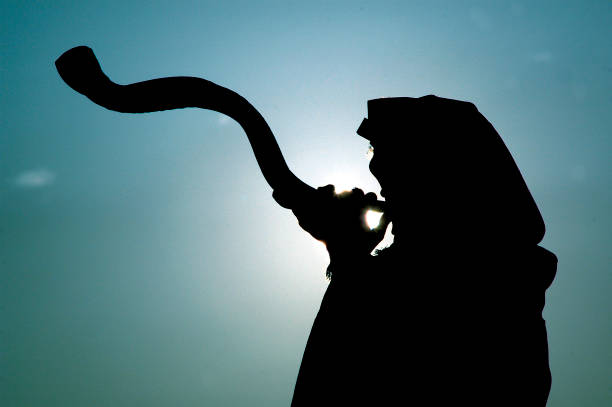
■7つのラッパは殉教者たちの叫び・祈りへの応答であった!
「彼らは大声で叫んで言った、"聖なる、まことなる主よ。いつまであなたは、さばくことをなさらず、また地に住む者に対して、わたしたちの血の報復をなさらないのですか?"」ヨハネの黙示録 6:10
「また、わたしが見ていると、一羽のわしが中空を飛び、大きな声でこう言うのを聞いた、”ああ、わざわいだ、わざわいだ、地に住む人々は、わざわいだ。なお三人の御使がラッパを吹き鳴らそうとしている”」。ヨハネの黙示録 8:13
→ラッパの目的は、地に住む人々に対する裁き。“地に住む者に対して“ ”さばくこと“などの関連用語から7つのラッパは前回の第五の封印にあった祭壇の下のいのちが正義を求めており、それに対する神の応答であると著者は捉えている。聖徒たちの迫害には必ず復讐がなされるのである。※7つのラッパが殉教者の祈りの応答である、という考え方は私にとっても全くの新たな光でした!
■7つのラッパが終わるときは?
「第七の御使が吹き鳴らすラッパの音がする時には、神がその僕、預言者たちにお告げになったとおり、神の奥義は成就される。」ヨハネの黙示録 10:7
→7つのラッパが鳴るとき、歴史の終わりの頂点に達する。「神の奥義」とは福音のこと。しかしNKJV訳では、
'but in the days of the sounding of the seventh angel, when he is about to sound, the mystery of God would be finished, as He declared to His servants the prophets.'
となっていて、正しく翻訳すると「第七の天使がまさしくラッパを吹こうとしている時」となるのでラッパが吹かれる直前に福音の宣布が終わる(成就される)、ということ。
■第七のラッパは地上歴史最後を飾るキリストの再臨。
「今おられ、かつておられた方、全能者である神、主よ、感謝いたします。大いなる力を振るって統治されたからです。」ヨハネの黙示録 11:17
→黙示録 1:8のまだ再臨されていないときに「今おられ、かつておられ、やがて来られるかた」と言っていたが、第7のラッパが鳴った時は「やがて来られるかた」がないため、もうキリストが来ている、ということになる。
Today we are finally entering the seven trumpets of the Bible. The author believes that the seven trumpets are the most difficult part of Revelation, or even the entire Bible. As always, I am going to summarize what we learned today as I pray for all understanding of this part.
■The seven trumpets were a response to the cries and prayers of the martyrs!
‘They cried with a loud voice, saying, 'Holy and true Lord. How long will you not judge and take vengeance with our blood against those who dwell in the earth?’
Revelation 6:10
‘And as I looked, I heard an eagle fly through the air and say in a loud voice, "Oh, woe, woe, woe to the people of the earth. Three angels are about to blow their trumpets.’
Revelation 8:13
->The purpose of the trumpet is to judge the people who live in the earth. From related terms such as “to judge those who live in the earth, ” the author sees the seven trumpets as God's response to the life under the altar seeking justice. The persecution of the saints will surely be avenged. * The idea that the seven trumpets are a response to the prayers of the martyrs was a very new light to me!
■When the seven trumpets end?
`but in the days of the voice of the seventh angel, when he shall begin to sound, the mystery of God should be finished, as he hath declared to his servants the prophets.’
Revelation 10:7
->When the seven trumpets sound, the end of history is reached. The secret of God means the gospel. "when the seventh angel is about to blow the trumpet," meaning that the proclamation of the gospel ends just before the 7th trumpet is blown.
■The seventh trumpet marks the end of earthly history, the second coming of Christ.
‘We give You thanks, O Lord God Almighty, The One who is and who was and who is to come,Because You have taken Your great power and reigned.’
Revelation 11:17
->In Revelation 1:8, when Christ had not yet come, they said, " The One who is or was and is to come ", but when the seventh trumpet sounded, there was no ‘is to (will) come‘, so it proves that Christ had already come to the earth.
ジョン・ポーリーン博士の黙示録講義 新たな光(第二巻)⑥
今日は黙示録7章の14万4000人と大群衆のところを学び、新たに学んだ事をまとめていきます。
■風をおさえる4人の天使
「この後、わたしは四人の御使が地の四すみに立っているのを見た。彼らは地の四方の風をひき止めて、地にも海にもすべての木にも、吹きつけないようにしていた。」
ヨハネの黙示録 7:1
・黙示録6章の4頭の馬の続きと思われる。風をおさえている4人の天使は4頭の馬を統治している4つの生き物を思い出させる。大地の四すみは4頭の馬が地の4分の一を支配していることを思い出させる。
・大地と海:黙示録13章で獣が出てくるところで、否定的な意味を持つ。木:神の民の象徴。
→悪人と義人の全人類が普及されていて、最後の大災害が誰の身にも起こることがまだ許されていない、という解釈となる。
■もう一人の天使とその働き
「また、もうひとりの御使が、生ける神の印を持って、日の出る方から上って来るのを見た。彼は地と海とをそこなう権威を授かっている四人の御使にむかって、大声で叫んで言った、 「わたしたちの神の僕らの額に、わたしたちが印をおしてしまうまでは、地と海と木とをそこなってはならない」。
ヨハネの黙示録 7:2-3
・もう一人の天使(御使):4人の天使たちに命令を与え、究極的に統治している。これは明らかにキリストのことであるといえる。「太陽の出る方向」という概念は新約では常にキリストと関連して述べられている。
・この世の最後の出来事を支配し、導かれるのは他でもないキリストご自身である。
・神の民に印を押してしまうまでは、悪人にも一切災いが降りかかってはいけないとここでは述べられているが、印をすべて押してしまった後は、4隅の風の引き止めが解除され、前章の4人の騎手の中でみた封印の災い、呪いが彼らを襲うということ。
■神の印を押すとは?
・証印が押されること(バプテスマの経験、聖霊を受けること、神に知られていること、正真正銘のクリスチャンであること)はエペソ1:13にあるようにパウロの時代からあり、終わりの時代に限定していることではない。ここで書かれている印を押す働きはキリスト教の歴史を通じて行われてきた働きの過程であり、週末時代にそのクライマックスが訪れることを描写している。
・ここ黙示録7章での印に通常の証印に加え「何かその人に特別な付加価値が与えられる」というような記述は見受けられない。したがって、ここでは神の印を受けることで災害から守られるという保護機能が、他の機能よりもより強調されているということ(エペソへの手紙よりもエゼキエル9章を特に顕著な背景としていると思われる)。
■14万4000人とは?
「わたしは印をおされた者の数を聞いたが、イスラエルの子らのすべての部族のうち、印をおされた者は14万4000人であった。」
ヨハネの黙示録 7:4
・著者の考え方では字義通りでなく象徴的で、12(イスラエル部族)×12(12使徒)=144で構成されるイスラエルの全家、神の民を表す。ヤコブ1:1やマタイ19:28を参照しても、如何に12使徒が古代イスラエスの12部族の長に入れ替わっていることがわかり、この点においても教会は新しいイスラエルと呼ばれる所以となる。
■大群衆とは誰?
・ヨハネの作文上の技法で、聞いたことと実際ヨハネが見たものが正確に一致しない場面が黙示録にはいくつかあり、これもその1つ。この大群衆は天におり、これは14万4000人のことである。
・14万4000人と大群衆は黙示録6:17の「だれがそれに耐えられるであろうか?」の問いに対する答えになる。この14万4000人はキリスト再臨の直前の出来事に遭遇する神の民であり、かつ再臨後、神の御座の前にいる大群衆でもある。
■勝利者への約束の実現
・黙示録7:10-12では黙示録5章で見た賛美が繰り返されている。この箇所において、黙示録3-21「勝利を得る者には、わたしと共にわたしの座につかせよう。それはちょうど、わたしが勝利を得てわたしの父と共にその御座についたのと同様である。」の約束が実現している場面となる!勝利を得る者はこの14万4000人であり、イエスの座にともについて私たちも王、祭司として天の国で奉仕を行うものとなるのである。
Today we're going to go through Revelation 7 with 144,000 and the great multitudes, and we're going to summarize what we learned.
■The Four Angels Who Hold the Wind
"After this I saw four angels standing in four corners of the earth. They held back the winds on all sides of the earth, that they might not blow upon the earth, or upon the sea, or upon all the trees."
Revelation 7:1
・Seems to be a continuation of Revelation 6 with the four horses. The four angels who hold the wind remind us of the four creatures who govern the four horses. The four corners of the earth remind us that the four horses rule a quarter of the earth.
・The earth and the sea: where the beast appears in Revelation 13, it has a negative meaning. The tree: symbolizes the people of God.
→ The interpretation is that the entire human race, the wicked and the righteous, has prevailed, and the final catastrophe has not yet been allowed to happen to anyone.
■The Other Angel and His Work
He saw another angel coming up from the direction of the sun, bearing the seal of the living God. He called out with a loud voice to the four angels, who were given authority over the earth and the sea, saying, "Do not destroy the earth and the sea and the trees until we have put a sign on our foreheads of our God."
Revelation 7:2-3
・The other angel, who gives orders and ultimately rules over the four angels. This clearly refers to Christ. The notion of "the direction of the sun's rise" is always mentioned in the New Testament in connection with Christ.
・It is none other than Christ himself who rules and guides the last events of this world.
・It is stated here that no evil shall befall the wicked until the people of God have been sealed, but after all the seals have been sealed, the wind stops at the four corners are released, and the curse of the seal seen in the four riders in the previous chapter will attack them.
■What is the seal of God?
・The seal of proof (experience of baptism, receiving the Holy Spirit, being known to God, being a bona fide Christian) has been sealed since the time of Paul, as stated in Ephesians 1:13, and is not limited to the end times. The seal of proof described here is a process of work that has been carried out throughout the history of Christianity, and it depicts its climax in the last time of this word.
・In addition to the usual seal of proof, there is no mention of the seal in Revelation 7 that something special is added to the person. Therefore, the protective function of being protected from disaster by receiving the seal of God is emphasized here more than other functions (Ezekiel 9 seems to be a more prominent background than one in Ephesians).
■Who are the 144,000?
"I heard the number of those who were marked, and out of all the tribes of the children of Israel there were 144,000 marked."
Revelation 7:4
・In the author's view, it is symbolic rather than literal, representing the whole house of Israel, the people of God, which consists of 12 (the tribes of Israel) ×12 (the 12 apostles) =144. James 1:1 and Matthew 19:28 also show how the 12 apostles are replaced by the heads of the 12 tribes of ancient Israel, which is why the church is called the new Israel.
■Who is the Great Crowd?
・This is one of several passages in Revelation in which John's writing technique does not exactly match what he heard and what he actually saw. This great crowd is in the heavens, which is 144,000 people.
・The 144,000 and the great crowd answer the question "Who can stand it?" in Revelation 6:17. These 144,000 are the people of God who will encounter the last day events just before the Second Coming of Christ, and also the great crowd who will be before the throne after the Second Coming.
■Fulfillment of the Promise to the Victory
・Revelation 7:10-12 repeats the praise we saw in Revelation 5. This is the scene where the promise of Revelation 3: 21 "He who is victorious, I will make him sit with me. just as I was victorious and sat on the throne with my Father." is fulfilled! It is these 144,000 who will be victorious, and we will also be kings and priests in the kingdom of heaven on the throne of Jesus!
ジョン・ポーリーン博士の黙示録講義 新たな光(第二巻)⑤
今日は第六の封印からです。第七の封印まで学びました。また大きな気づき、教えられたことを以下にまとめていきたいと思います。

■第六の封印
黙示録6章12-17
「小羊が第六の封印を解いた時、わたしが見ていると、大地震が起って、太陽は毛織の荒布のように黒くなり、月は全面、血のようになり、 13天の星は、いちじくのまだ青い実が大風に揺られて振り落されるように、地に落ちた。 14天は巻物が巻かれるように消えていき、すべての山と島とはその場所から移されてしまった。 15地の王たち、高官、千卒長、富める者、勇者、奴隷、自由人らはみな、ほら穴や山の岩かげに、身をかくした。 16そして、山と岩とにむかって言った、「さあ、われわれをおおって、御座にいますかたの御顔と小羊の怒りとから、かくまってくれ。 17御怒りの大いなる日が、すでにきたのだ。だれが、その前に立つことができようか」。
■この箇所の描写はエゼキエル、アモス、エレミヤ、イザヤ書などの旧約聖書の「主の日」という概念と関連する一連の聖句の光景からはじまっている。これらの光景は契約違反の呪いの結果である。違反者は神から離れた究極の結果(執行審判)に直面することになる。
■旧約聖書で「主の日」は地上歴史の最後の審判という意味でつかわれているが、新約聖書では「イエスの十字架」「五旬祭の聖霊降下」「再臨に伴う出来事」に適用されている。
■12-14 までは天変地異について描かれているが、字義的か霊的か?
→字義的に起こると考えられる。なぜならギリシア語「ホース」が使われていて、英語では「as(~のように)」と同意で、字義通りの実物を、比喩的なものと比較するために用いる用語であるため。
■天体のこの現象は何を私たちに告げているのか?
いくつか歴史の中で繰り返されてきた。北米地方での暗黒日、大流星雨など。しかし、「天が巻き取られるように消え去る」のはいまだかつて経験していない。これは世の終わりの直前に起こる出来事であると考えられる。しかしイザヤ54:10やナホム1:5-8にこのような恐ろしい天変地異が起きても、憐みの主はその民を守ってくださるという約束が描かれている。
■15-17には再臨の日の出来事そのものが描かれている。「だれが、その前に立つことができようか?」この重要な質問は今日の私たちにも与えられている。これが第七章への序文となっていることがわかる。
■第七の封印
黙示録8:1
「小羊が第七の封印を解いた時、半時間ばかり天に静けさがあった。」
■この沈黙、静けさの意味には以下考えられる4つの解釈がある。断定はできない。
1)神の沈黙。なぜなら正義がすでに全うされたから。
2)開始の時の沈黙。創世記の神の天地創造の前、地は暗黒と沈黙の状態であった。神の新しい創造の開始前の沈黙である。
3)悪の破壊を目撃している宇宙の驚きの沈黙。小羊が巻物を受け取った時の宇宙に響き渡る賛美の音と対照的な沈黙。
4)巻物が開かれたときの裁きの法廷の沈黙。
■第五、六、七の封印の霊的教訓
イエスに従う殉教者たちはそれぞれの十字架で命をささげた。私たちも最悪なことが起きても従うべき模範が既に私たちの前に存在することを覚えたい。しかしイエスは蘇られた。私たちも死から蘇り、正義が擁護される。封印のメッセージはまさしくここにあるのである。
Today we're starting with the sixth seal. We learned up to the seventh seal. I'd like to summarize what I've learned.
■The sixth seal
Revelation 6: 12-17
"When the Lamb lifted the sixth seal, I looked, and there was a great earthquake, and the sun was black like sackcloth, and the moon was all like blood, 13 and the stars of the heavens fell to the earth as the blue fruit of a fig was shaken off by a great wind. 14 The heavens were gone like a scroll, and all the mountains and islands were removed from their places. 15 All the kings of the earth, the princes, the 1000 princes, the rich, the brave, the slaves, and the free hid themselves in caves and behind the rocks of the mountains. 16 And he said to the mountains and the rocks, "Cover us, and shelter us from the face of the One on the throne and the wrath of the Lamb. 17 The great day of His wrath has come. Who can stand before it?."
■This passage begins with scenes from Ezekiel, Amos, Jeremiah, Isaiah, and other scriptures related to the Old Testament concept of the “Lord's Day”. These scenes are the result of the curse of the breach of the covenant. The offender faces the ultimate consequence of being separated from God.
■In the Old Testament, the Lord's Day is used to mean the final judgment of earthly history, but in the New Testament it is applied to the Cross of Jesus, the descent of the Holy Spirit at Pentecost, and events associated with the Second Coming.
■Up to 12-14 are descriptions of natural disasters, but are they literal or spiritual?
->They are considered literal. This is because the Greek word "hose" is used, which is equivalent to "as" in English, to compare the literal real thing with the figurative.
■What does this celestial phenomenon tell us?
It has been repeated several times throughout history. Dark days in North America, great meteors, etc. But there has never been a time when the heavens are swept away. This is thought to occur just before the end of the world. But Isaiah 54:10 and Nahum 1:5-8 describe the promise that the Lord of mercy will protect his people in the event of such a terrible catastrophe.
■15-17 describes the events of the Day of the Second Coming itself. "Who can stand before it?" This important question is also asked of us today. We see this as the preface to Chapter 7.
■The Seventh Seal
Revelation 8:1
"When the Lamb lifted the seventh seal, there was silence in heaven for half an hour."
■There are four possible interpretations of this silence. It cannot be determined.
1)The silence of God. Because justice has already been fulfilled.
2)The silence at the beginning. Before the creation of God in Genesis, the earth was in a state of darkness and silence. It is the silence before the beginning of God's new creation.
3)The astonishing silence of the universe witnessing the destruction of evil. The silence contrasted with the sound of praise echoing through the universe when the Lamb received the scroll.
4)The silence of the court of judgment when the scroll was opened.
■The Spiritual Lessons of the Seals of the Fifth, Sixth, and Seventh
Martyrs who followed Jesus gave their lives on each cross. We want to remember that we already have an example before us to follow even if the worst happens. But Jesus was raised. We too are raised from the dead and justice is upheld. This is the message of the whole seal story.
